

BY OLAPEJU OLUBI
United Nigeria Airlines has partnered with the Nigerian Cancer Society to raise funds for cancer awareness, prevention and treatment, as the society called for a nationwide screening programme to promote early detection and reduce the cost of treating the disease.
The airline’s Managing Director, Mr. Maxi Osiadinma Okonkwo, disclosed the partnership at a press briefing in Lagos on Wednesday, explaining that passengers would be able to make voluntary donations of at least ₦1,000 when booking flight tickets.
He said passengers could contribute any amount of their choice to support the activities of the Nigerian Cancer Society, adding that those who missed the opportunity during ticket booking could still donate through the airline’s website.
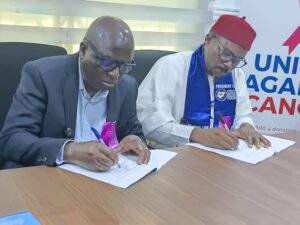
Okonkwo said the initiative was designed to mobilise Nigerians and other stakeholders in the fight against cancer, while promoting regular health checks, early detection and access to treatment.
He explained that the airline would use its website and in-flight communication channels to educate passengers about cancer and encourage public participation.
According to him, the campaign will also feature personal stories of cancer survivors and people who have lost loved ones to the disease to inspire hope and encourage Nigerians to seek medical attention early.
He said the initiative would help dispel myths and misconceptions about cancer and educate the public on modern screening, detection and treatment methods.
Okonkwo urged passengers, corporate organisations, the media and members of the public to support the campaign, noting that small donations from many people could make a significant difference.
Also speaking at the event, President of the Nigerian Cancer Society, Professor Abidemi Omonisi, called on the Federal Government to establish a well-organised national cancer screening programme and increase funding for cancer prevention and treatment.
He said the high cost of treatment, inadequate public awareness and limited access to healthcare facilities were major obstacles to tackling cancer in Nigeria, particularly among low-income earners and rural dwellers.
Omonisi recalled that cancer awareness efforts in Nigeria were initially driven by researchers at the University of Ibadan when government attention, policies and screening facilities for the disease were limited.
He noted that although the Federal Government had since recognised the cancer burden and established specialised treatment centres, access to affordable care remained a major challenge.
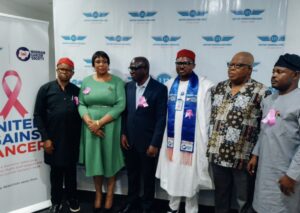
The society’s president stressed that regular screening and public education were essential to detecting cancer early, correcting misconceptions and improving patients’ chances of survival.
He lamented that many Nigerians could not afford the cost of diagnosis, medication and other treatment procedures, leaving patients and their families with huge financial burdens.
He identified poverty, income levels and geographical location as some of the factors preventing Nigerians from accessing timely cancer care.
Omonisi also called for a comprehensive national cancer policy to provide a clear framework for prevention, screening, diagnosis, treatment and patient support.
He said the Nigerian Cancer Society had spent nearly 60 years promoting cancer awareness and supporting efforts to improve cancer care in the country.
He further called for stronger government commitment, increased financial support and partnerships with international organisations to expand cancer services and awareness campaigns, especially in rural communities.

Olapeju is a journalist and aviation reporter.